
On October 14, 1890, at the age of 116, Fakir Lalon Shah, one of Bengal’s most revered spiritual and philosophical figures, left this world. More than a century has passed since his departure, yet his teachings and philosophy remain profoundly relevant today, particularly in the context of building a pluralistic society and addressing modern conflicts. As the world becomes more fragmented due to religious, cultural, and political divisions, Lalon’s emphasis on unity, love, and the rejection of dogma continues to provide valuable guidance for the development of a more inclusive and harmonious world.
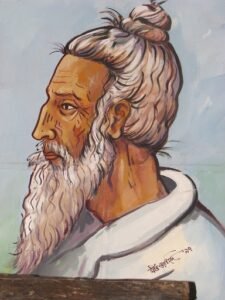
Relevance of Fakir Lalon Shah’s Philosophy
Lalon Shah’s Vision: A Unified Humanity
At the heart of Lalon’s philosophy lies a radical rejection of the divisions that often tear societies apart: religion, caste, and social status. Living in a time when Bengal was deeply divided along religious and social lines, Lalon’s teachings challenged the existing order. He believed that these divisions were man-made, superficial constructs that distract humanity from recognizing its inherent unity.
Lalon’s songs and teachings advocate for a vision of society where all human beings are equal, regardless of their religious beliefs or social background. He often questioned the rituals and dogmas that pit people against each other, famously asking in one of his songs:
“If there’s no one human being, where are Hindu and Muslim?”
This questioning of identity-based divisions is as relevant today as it was in Lalon’s time. Modern society continues to be plagued by conflicts rooted in ethnic, religious, and cultural differences. Lalon’s teachings offer an antidote to this divisiveness, urging people to look beyond these superficial differences and focus on the shared humanity that binds us all.

Fakir Lalon’s Philosophy and Pluralism
Lalon’s philosophy was inherently pluralistic. He believed that all religions and belief systems are different paths to the same truth. For Lalon, the divine was not bound to any one religion or sect, but was instead something that could be experienced personally by anyone, regardless of their background. His songs speak of a direct connection with the “Moner Manush” or “Man of the Heart,” a symbol of the divine presence within each person.
This idea resonates strongly in today’s globalized world, where societies are becoming more diverse. Lalon’s belief in pluralism can be a guiding light for creating more inclusive societies that celebrate diversity rather than fearing or suppressing it. By encouraging people to seek the divine within themselves and in others, Lalon’s philosophy can help foster mutual respect and understanding among people of different faiths and cultures.
As countries and communities grapple with the complexities of multi-religious and multi-ethnic societies, Lalon’s vision of a pluralistic world—one where no single belief system claims superiority over others—remains as relevant and necessary as ever. His teachings offer a framework for peaceful coexistence and mutual respect, which are essential for building a more harmonious society.

Conflict Resolution Through Lalon’s Teachings
One of the most pressing challenges of our time is the escalation of conflicts rooted in religious and ideological differences. From sectarian violence to global religious tensions, conflicts are often exacerbated by rigid identities that emphasize exclusivity. Lalon’s philosophy offers a pathway to conflict resolution by promoting empathy, understanding, and a shared sense of humanity.
At the core of Lalon’s teachings is the idea that the true journey of life is an inward one, aimed at realizing the divine within oneself. He taught that external markers of religion or identity—be they the rituals of Hinduism or Islam, or any other structured belief system—are secondary to the deeper, internal quest for truth. This emphasis on the individual’s spiritual journey over external divisions can serve as a powerful tool in resolving conflicts rooted in identity.
In one of his songs, Lalon sings:
“Everyone asks, what caste does Lalon belong to? Lalon says, I don’t recognize the marks of caste!”
By rejecting the concept of caste, Lalon calls into question the legitimacy of any hierarchical system that places one group above another. His teachings encourage individuals to transcend the narrow identities that often lead to conflict, and instead, recognize the shared divine essence that unites all people. In a world where divisions based on race, religion, and nationality continue to fuel conflicts, Lalon’s message of unity and shared humanity is more important than ever.
Promoting Interfaith Harmony
Lalon’s philosophy also offers practical lessons in promoting interfaith harmony. He lived in a time when tensions between Hindus and Muslims in Bengal were high, yet he refused to align himself with any particular religious group. Instead, he saw the divine in all faiths and advocated for a more inclusive, spiritual approach that transcended religious divisions.
Today, as religious intolerance grows in various parts of the world, Lalon’s message of interfaith harmony offers a solution. By emphasizing the shared values of love, compassion, and inner truth found in all major religions, Lalon’s teachings can help bridge the gaps between different faith communities. His songs, which often blend elements of both Hindu and Islamic mysticism, serve as a reminder that all paths ultimately lead to the same truth. This idea of universal spirituality can be a powerful tool in fostering dialogue and understanding between different religious groups.
Lalon’s belief that the divine is accessible to everyone, regardless of religious identity, can also serve as a counter-narrative to the exclusivist ideologies that often fuel religious conflicts. His teachings encourage people to move beyond the rituals and dogmas of organized religion and to seek a deeper, more personal connection with the divine, which can help dissolve the rigid boundaries that lead to division and strife.
Fostering Social Justice and Equality
Lalon’s rejection of the caste system and social hierarchies also has important implications for modern efforts to promote social justice and equality. He was a staunch critic of the oppressive systems of his time, challenging the deeply entrenched social divisions that marginalized certain groups based on caste, class, or religion. His songs often express a deep empathy for the poor and downtrodden, calling for a more just and equitable society.
In today’s world, where issues of inequality, discrimination, and social injustice continue to dominate headlines, Lalon’s advocacy for equality and justice remains strikingly relevant. His teachings remind us that true spiritual growth cannot occur in a society that tolerates oppression and inequality. By promoting a vision of society where all people are valued equally, regardless of their background, Lalon’s philosophy can inspire movements for social change and help address the root causes of many modern conflicts.
The Relevance of Lalon in a Globalized World
In an increasingly interconnected and globalized world, where cultures, ideas, and people are constantly interacting, the need for a pluralistic and inclusive worldview is greater than ever. Lalon’s teachings offer a timeless guide for navigating these complexities. His emphasis on the universality of human experience, his rejection of dogma, and his call for unity in diversity are all deeply relevant to the challenges of today’s world.
Lalon’s philosophy encourages individuals to move beyond the superficial identities that divide us and to embrace a more inclusive, humanistic approach to life. His message of love, compassion, and unity offers a powerful tool for building a more peaceful and harmonious world.

As we commemorate Lalon’s death anniversary, it is clear that his teachings continue to offer valuable insights into the challenges of our time. His rejection of religious and social divisions, his advocacy for pluralism, and his vision of a unified humanity provide a timeless guide for building a more inclusive and peaceful world. In an era marked by increasing polarization and conflict, Lalon’s philosophy serves as a reminder of the power of love, empathy, and understanding in resolving conflicts and creating a more just and equitable society.
Lalon’s legacy lives on, not only in the songs and traditions of the Bauls, but in the hearts and minds of all those who seek a deeper, more meaningful understanding of the world and their place within it. His teachings offer a path toward a more pluralistic, compassionate, and peaceful world—one that transcends the divisions of religion, race, and class, and embraces the shared humanity that unites us all.
See more:
#FakirLalon #LalonPhilosophy #Baulism #Pluralism #UnityInDiversity #ConflictResolution #InterfaithHarmony #SocialJustice #Equality #LalonLegacy #Humanity #Spirituality #LalonDeathAnniversary #BaulTradition #FolkPhilosophy #LalonSongs #GlobalPeace #InclusiveSociety #CasteRejection #ReligiousTolerance