
Art and heritage are the bedrock of human civilization, representing the collective history, culture, and identity of societies across the world. Art in its various forms—painting, sculpture, music, and dance—reflects the creative expression of humanity, while heritage encompasses the tangible and intangible legacies passed down through generations. Together, they form a rich tapestry that connects the past with the present and inspires future generations. This article explores the significance of art and heritage, their preservation, and their impact on society.
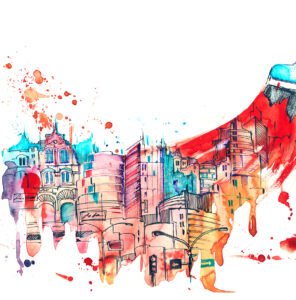
Art and Heritage: Preserving the Past, Inspiring the Future
The Significance of Art
Art has been a fundamental aspect of human existence since prehistoric times. It serves as a medium for expression, communication, and storytelling. Here are some key aspects of art:
1. Historical Documentation
Art serves as a historical record, capturing the events, beliefs, and customs of different eras. From the cave paintings of Lascaux to the frescoes of the Renaissance, art provides insight into the lives and thoughts of people across time.
2. Cultural Identity
Art is a reflection of cultural identity. It embodies the traditions, values, and aesthetics of a community. For instance, the intricate patterns of Persian carpets, the elegance of Japanese ink paintings, and the vibrancy of African tribal art all convey the unique cultural heritage of their respective societies.
3. Emotional Expression
Art allows individuals to express their emotions and thoughts in a way that transcends language. Through colors, shapes, and forms, artists convey feelings of joy, sorrow, anger, and love, creating a universal language that resonates with people from diverse backgrounds.
The Role of Heritage
Heritage encompasses both tangible and intangible elements that are inherited from previous generations. It includes monuments, artifacts, traditions, languages, and knowledge. The preservation of heritage is crucial for maintaining the continuity of cultural identity and history.
1. Tangible Heritage
Tangible heritage refers to physical objects and places that have historical, cultural, or architectural significance. This includes ancient ruins, historic buildings, monuments, and artifacts. Preserving tangible heritage involves safeguarding these structures and items from decay, damage, and destruction.
Examples of tangible heritage include:
– The Pyramids of Giza: These ancient structures are a testament to the architectural prowess of ancient Egypt and serve as a window into the civilization’s beliefs and practices.
– The Great Wall of China: This monumental structure reflects the military and strategic significance of ancient Chinese empires.
– The Colosseum in Rome: A symbol of the grandeur of the Roman Empire, the Colosseum is an architectural marvel and a reminder of the empire’s cultural and social life.
2. Intangible Heritage
Intangible heritage includes non-physical aspects such as traditions, rituals, folklore, music, and dance. These elements are crucial for the cultural identity and continuity of communities.
Examples of intangible heritage include:
– Oral Traditions: Stories, legends, and myths passed down through generations, such as the Aboriginal Dreamtime stories in Australia.
– Traditional Music and Dance: Cultural expressions like Flamenco in Spain, Kathak in India, and Capoeira in Brazil.
– Festivals and Rituals: Celebrations and ceremonies like Diwali in India, the Day of the Dead in Mexico, and the Inti Raymi festival in Peru.
Preserving Art and Heritage
Preserving art and heritage is a collective responsibility that involves various stakeholders, including governments, cultural organizations, and communities. Effective preservation ensures that future generations can appreciate and learn from the past.
1. Conservation and Restoration
Conservation involves protecting and maintaining art and heritage sites to prevent decay and damage. Restoration aims to repair and restore these sites to their original condition. Techniques include cleaning, structural reinforcement, and the use of modern technology to stabilize and preserve artifacts.
2. Documentation and Research
Accurate documentation and research are essential for understanding the historical and cultural significance of art and heritage. This involves cataloging artifacts, conducting archaeological excavations, and studying historical records. Digital technology plays a crucial role in creating detailed records and virtual reconstructions of heritage sites.
3. Education and Awareness
Educating the public about the importance of art and heritage fosters appreciation and support for preservation efforts. Museums, exhibitions, and cultural programs play a vital role in raising awareness. Educational initiatives in schools and universities also ensure that the younger generation values and respects their cultural heritage.
4. Community Involvement
Local communities are the custodians of their heritage. Involving them in preservation efforts ensures that their knowledge and traditions are respected and maintained. Community-led initiatives, cultural tourism, and heritage festivals are effective ways to engage communities in preserving their heritage.

The Impact of Art and Heritage on Society
Art and heritage have a profound impact on society. They enrich cultural diversity, foster social cohesion, and contribute to economic development.
1. Cultural Diversity
Art and heritage celebrate cultural diversity by showcasing the unique traditions and expressions of different communities. This diversity fosters mutual respect and understanding, promoting a more inclusive and harmonious society.
2. Social Cohesion
Shared heritage and cultural practices strengthen social bonds and a sense of belonging within communities. Festivals, rituals, and cultural events bring people together, fostering unity and collective identity.
3. Economic Development
Cultural heritage and art can drive economic development through tourism and creative industries. Heritage tourism attracts visitors, generating income and employment for local communities. The creative industries, including art, design, and media, contribute significantly to the global economy.

Art and heritage are invaluable assets that define our cultural identity and connect us to our history. Preserving these treasures requires a concerted effort from governments, organizations, and communities. By safeguarding our art and heritage, we ensure that future generations can appreciate, learn from, and be inspired by the rich tapestry of human creativity and history. In doing so, we not only honor our past but also lay the foundation for a culturally enriched and inclusive future.
See more: