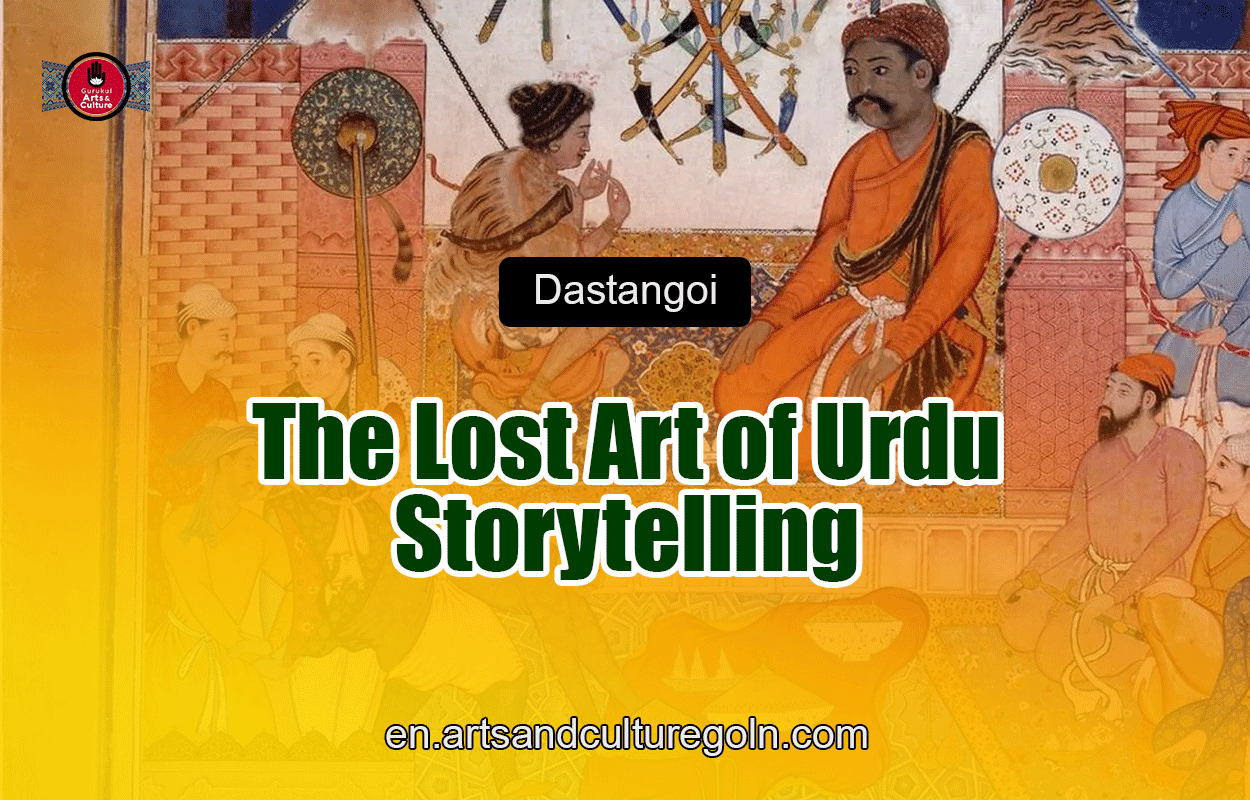
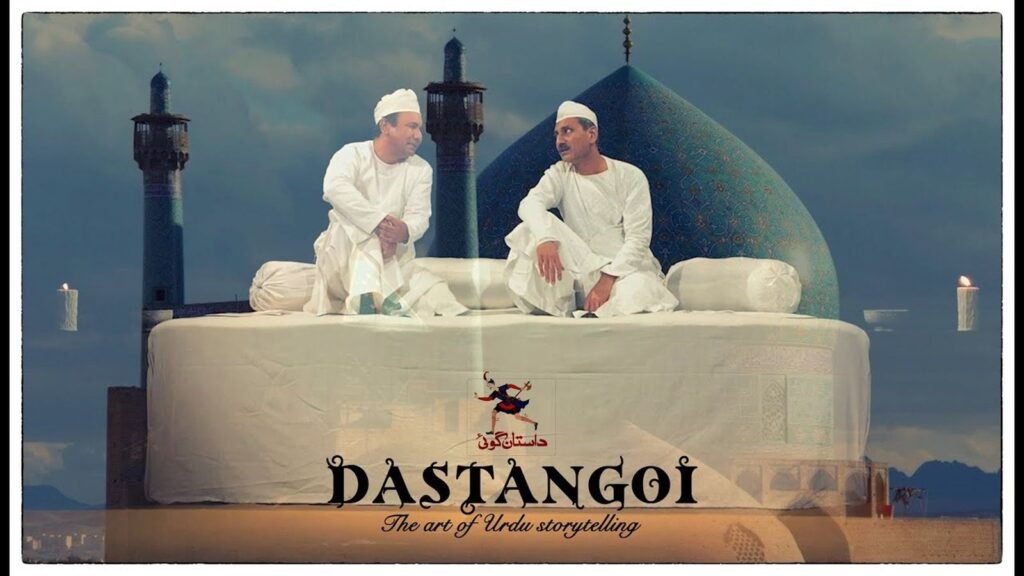
Dastangoi, derived from the Persian words dastan (story) and goi (telling), is an ancient art form of Urdu storytelling that originated in Persia and flourished in the Indian subcontinent during the medieval period. A blend of oral narrative and dramatic performance, Dastangoi captured the imagination of audiences with its elaborate tales of adventure, romance, magic, and valor.
Dastangoi
Historical Origins
The roots of Dastangoi can be traced back to Persian storytelling traditions, particularly the Hamzanama, a collection of fantastical tales about the adventures of Amir Hamza, an uncle of the Prophet Muhammad. These stories, infused with elements of Persian, Arabic, and Indian cultures, were brought to the Mughal court in India and adapted to local tastes.
Under the patronage of the Mughals, Dastangoi evolved into a sophisticated art form. By the 16th century, it became a popular mode of entertainment, performed in royal courts, marketplaces, and public gatherings. The tales often combined the fantastical with the real, seamlessly weaving elements of mythology, history, and folklore.
Features of Dastangoi
- Narrative Style: Dastangoi is characterized by its use of rich, poetic language, metaphors, and elaborate descriptions. The storyteller, or dastango, relies on vocal modulation and gestures to captivate the audience.
- Themes: The stories often revolve around themes of heroism, love, and morality, with frequent use of fantastical elements such as jinns, fairies, and magical realms.
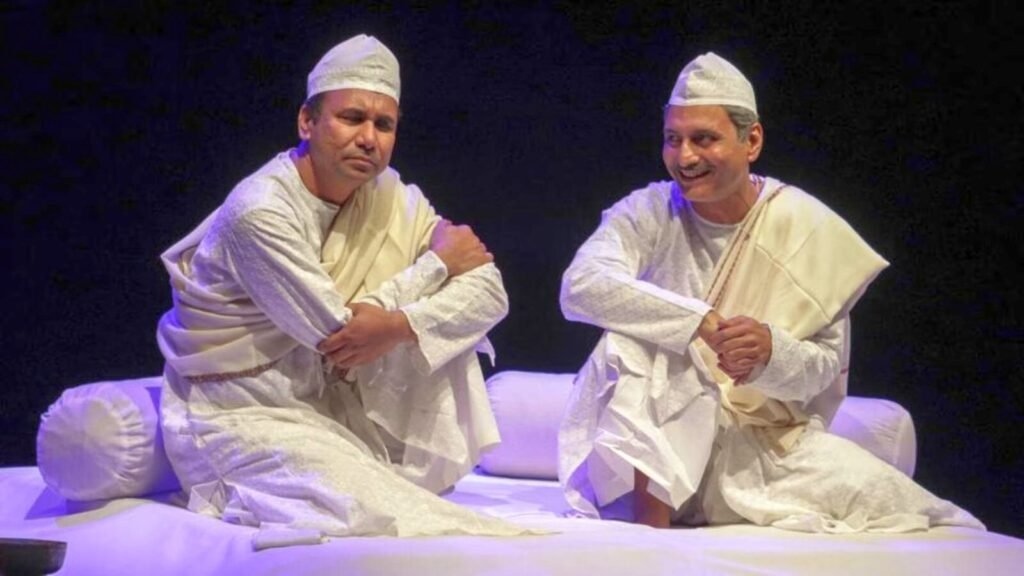
- Solo Performance: Traditionally, a single dastango performs the entire tale, switching between characters and narrating in the first and third person.
Decline of Dastangoi
The decline of Dastangoi began with the advent of modern forms of entertainment, such as cinema and theater, and the waning influence of Urdu as a courtly language. By the early 20th century, this art form had nearly disappeared, with only a few practitioners left.
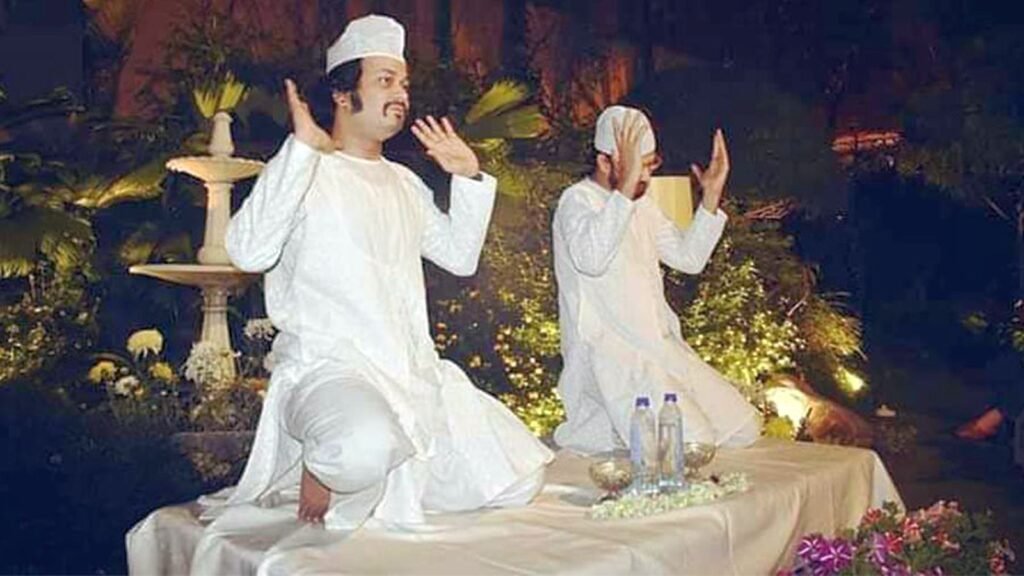
Revival in Modern Times
In recent years, efforts have been made to revive Dastangoi as a cultural treasure. Key contributors to this revival include Mahmood Farooqui, an Indian writer and director, who has reintroduced Dastangoi performances to contemporary audiences. Modern adaptations of the form incorporate diverse themes, including political satire, historical events, and social issues.
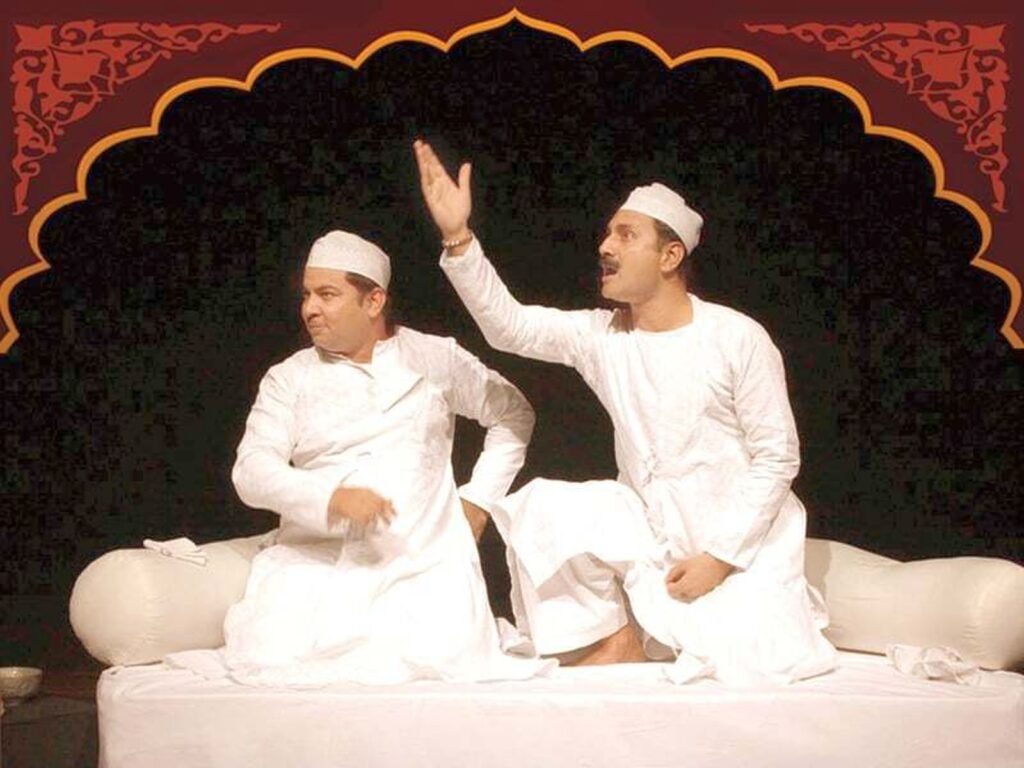
Significance of Dastangoi
Dastangoi is not just an art form; it is a living testament to the rich literary and cultural heritage of South Asia. Its revival has sparked renewed interest in Urdu language and storytelling traditions, offering a unique platform to preserve and celebrate the region’s history and imagination.
Today, Dastangoi performances are held in cultural festivals, literary gatherings, and educational settings, continuing to enchant audiences with the timeless magic of storytelling.
See more: